It has not escaped my attention that 2026 will signify a decade since I started writing this blog, and so, I thought it would be a good opportunity to mark the occasion by ticking a fairly significant cycle-touring challenge off my list: namely, the Carretera Austral, or ‘Southern Highway’.
The Carretera Austral is an 800 mile sliver of tarmac and gravel, that cuts through a sparsely populated, and geographically complex, portion of Chile’s Patagonian Lake District. Begun by General Pinochet in 1976, the route was only fully realised in 2000, and links a series of tiny – previously isolated – coastal communities between Puerto Montt in the north, and Villa O’Higgins in the south.
As Villa O’Higgins is a long way from an airport that offers regular commercially-available flights, there is the added complication that I will need to push on farther south, via a combination of ferries and hike-a-bike, to reach a remote Argentinian border post near the popular trekking hub of El Chaltén, before continuing southwards and ultimately crossing back into Chile, ending the trip in Puerto Natales, which, conveniently, offers the dual purpose of providing a means to onward flights, and also acting as the perfect launchpad for visiting one of my longest-serving bucket list destinations, Torres Del Paine National Park.
It would be something of an understatement to say that I am extremely excited about having the opportunity to undertake this adventure, one that I had been contemplating for many years, before seriously considering it for last winter. Then, when I spotted that Pierre – who I cycled with in Vietnam in 2020 – was attempting the route, last year, I was determined to get – not only – some advice about the challenges he had encountered, but also an endorsement that I should do it too…
Arriving at Praesto campsite, at 20 past 8 in the evening, I was a little concerned to find that the reception was empty, especially as I’d read a recent review that seemed to suggest that the site looked like it’d been abandoned. It certainly looked a bit dated, but there was a mobile number to ring for check-ins, so I gave it a call. No such number. What was the area code for Denmark? +45? I tried removing the initial zero and adding the +45, still no such number. Yet to be defeated I checked on Google Maps, and got a different number there, with the site number starting +45 instead of 045. This time lucky, a voice appeared on the line, communication was non-existent, but ‘I’ll be right there’ was tagged on at the end.
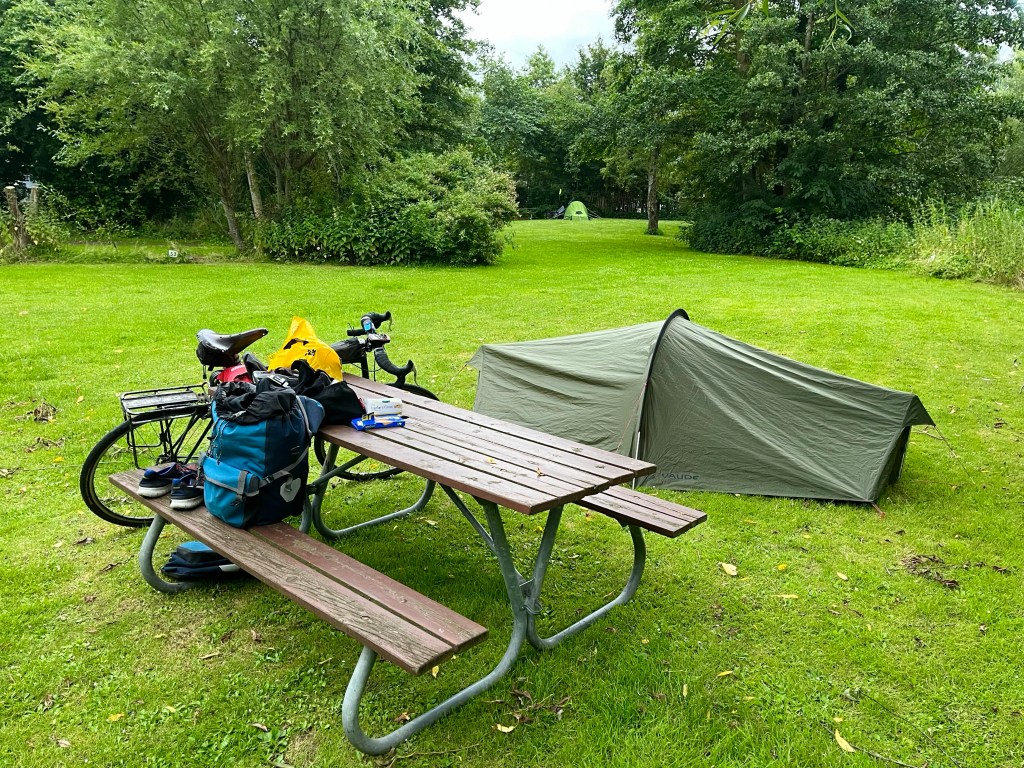
The site was gorgeous, large pitches – with picnic benches – nestled in amongst the trees. Sadly it looked like it was rarely used anymore, and the facilities had seen better days. Luckily as there weren’t many people around, it gave me ample opportunity to do some battery charging in the kitchen area, and that was a definite advantage.
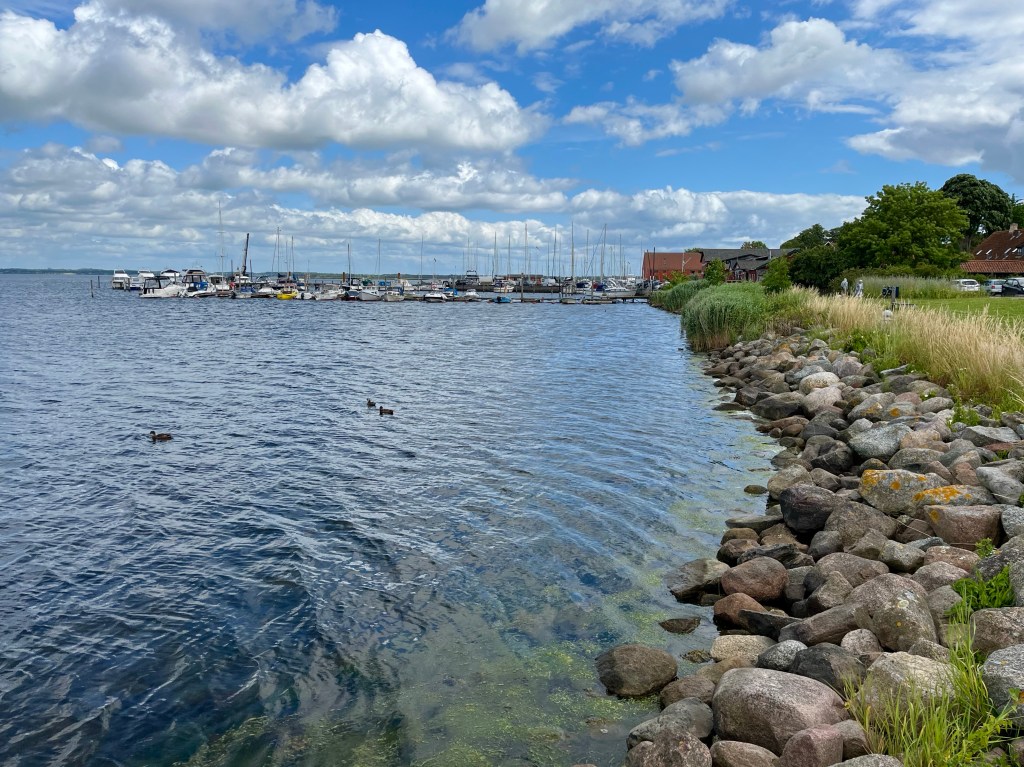
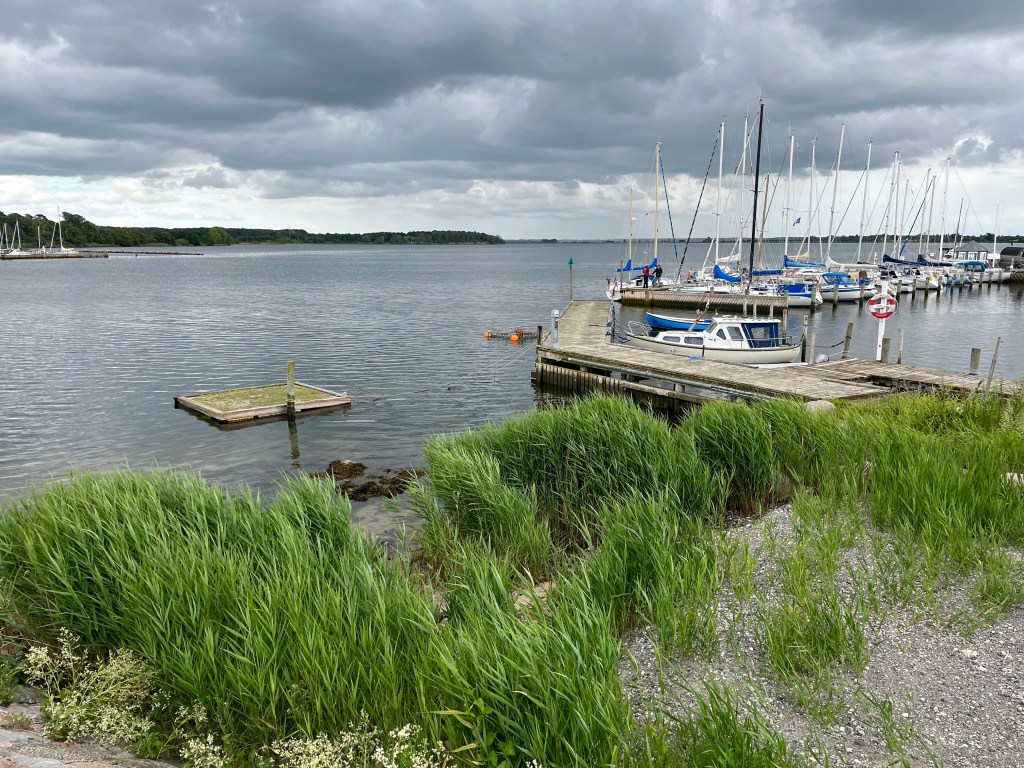
Making it out of the door this morning, at the slightly more respectable time of 11:30, I popped into Praesto’s cute little town centre, set back from a small marina on the lake. After picking up a few supplies from the Netto supermarket – also one of my preferred suppliers in Iceland – I set off, westwards into the wind.
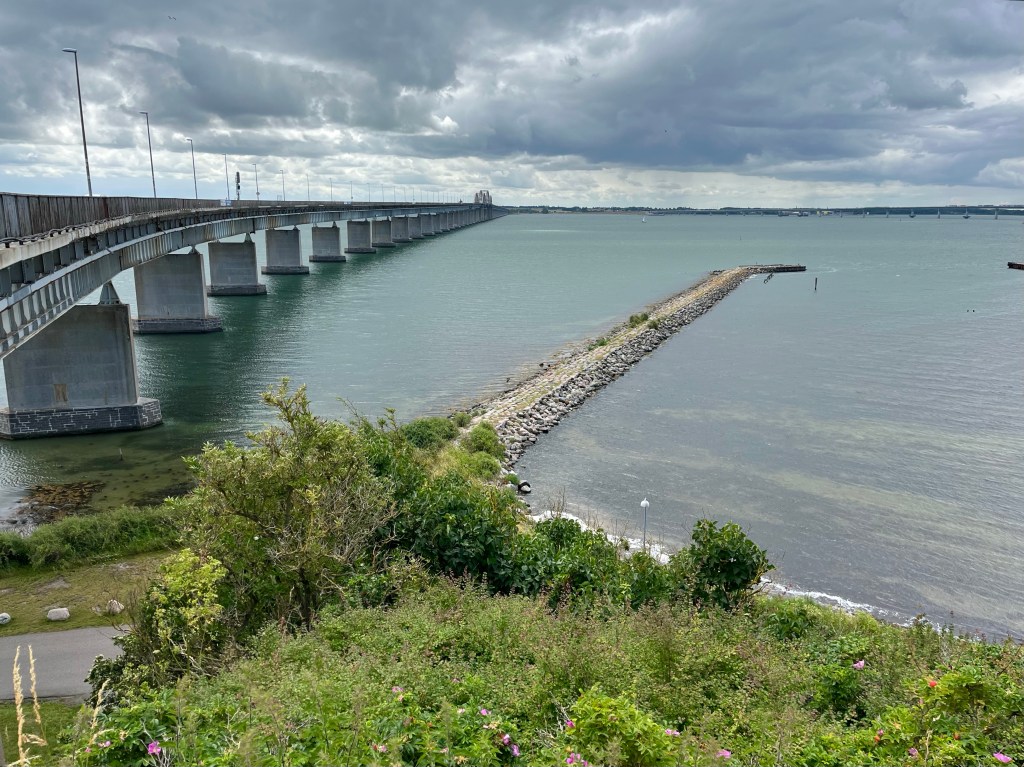
Back at the 151, I turned south, the brisk crosswind taking the edge off the heat generated by the bright sunshine, the road rising and falling along a constant bearing until Orslev, where the road veered west in the direction of the 3 km Storstrøm Bridge, that connected the tiny island of Masnedo – itself joined to Zealand by a short causeway – with the more substantial Falster, from where I’d catch the ferry to Germany.
I layered up and took on a little fuel, before setting off on the bitterly cold crossing. Glad to make it across, I was less pleased when the road I was expecting to take was closed for extensive roadworks, requiring me to take a substantial dog-legged detour via the small town of Norre Alslev. Stopping for an ice cream from the local petrol station, and sitting a while outside a large church, I readied myself to tack back into the wind once more, rejoining my original course at Oster Kippinge, before crossing a double lift bridge over the Guldborgsund, the small village of Guldborg straddled the river, with harbours on either side, and was part nuclear dystopia, part artists’ haven.
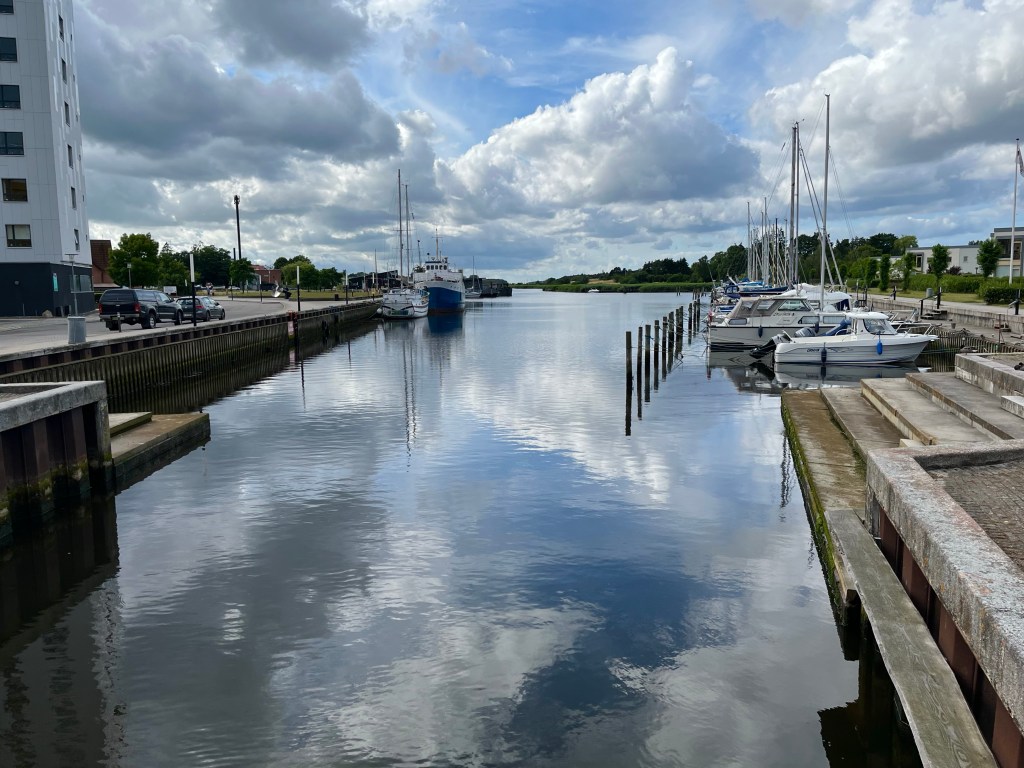
At 5 o’clock, I had my last stop of the day – and Denmark – at a pretty harbour at the end of the canal in Sakskobing. The sun was fighting through the clouds as I sat on the terrace outside Cafe Da-Vinci, waiting for a substantial plate of Nachos that comfortably fuelled me for the final 20 miles of the day.
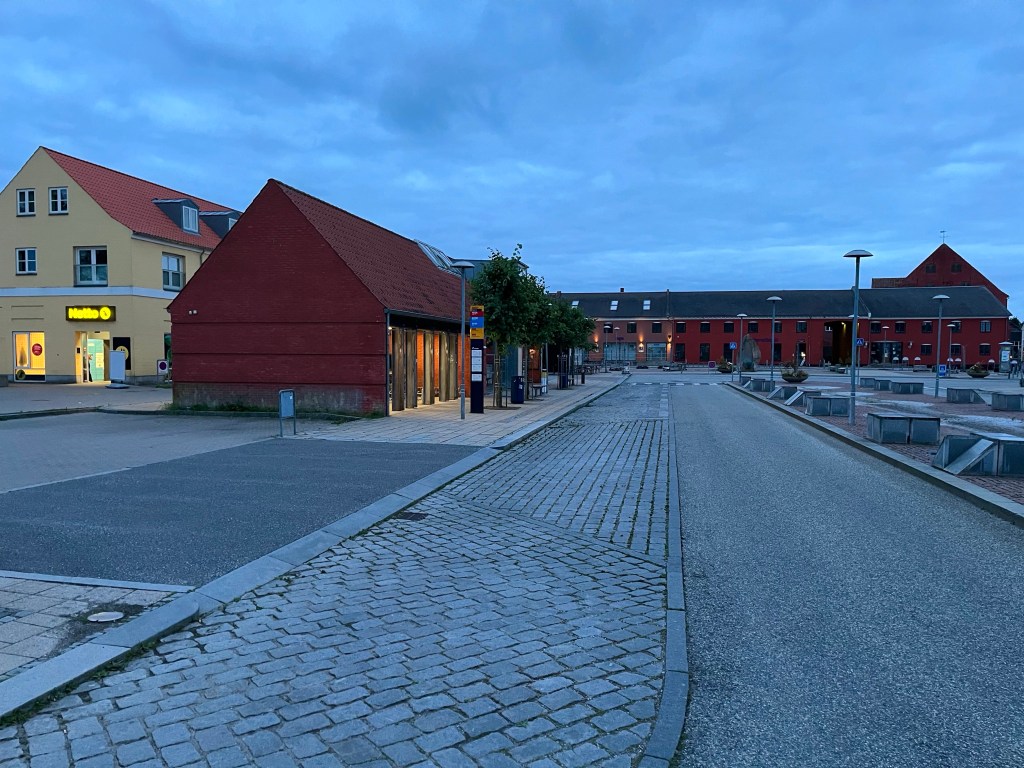
Arriving into Rodbyhavn at half past 7, I quickly picked up some supplies at Lidl before making for the ferry terminal, and If it hadn’t been for the 48 crossings a day on this route, I might have worried about when the next ferry might be. As it was it was the worst-case scenario, I’d just missed one and the next would not be for another 45 minutes.
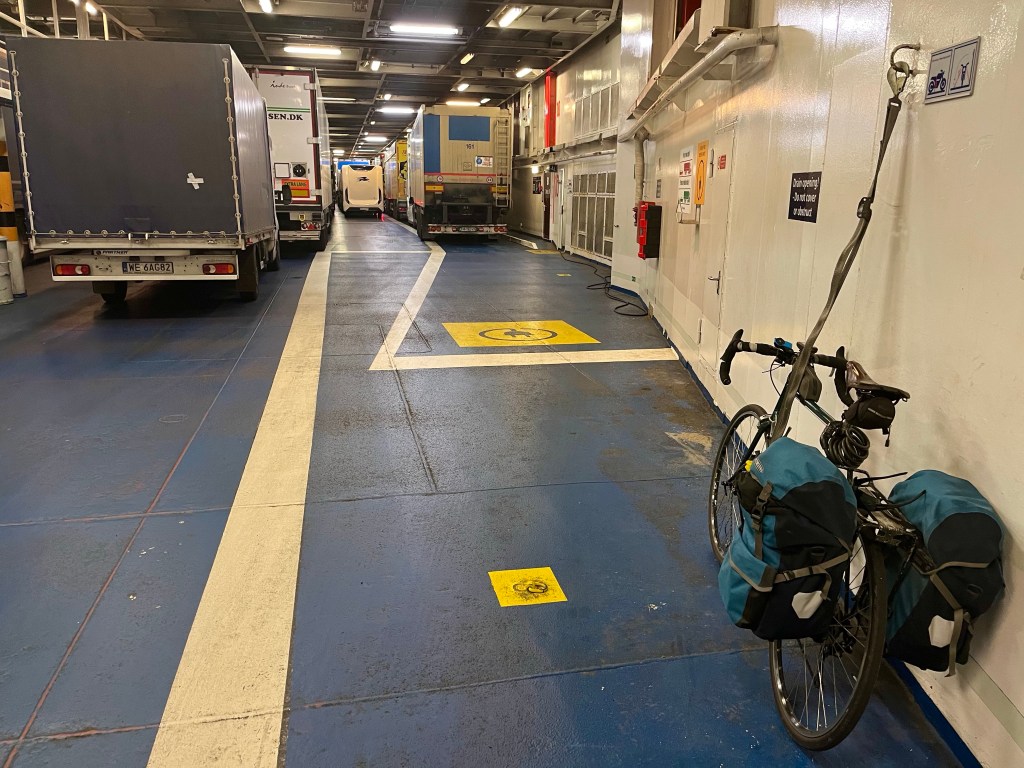
Once the gentle one hour crossing was over, I rushed the short distance to the Puttgarden campsite, arriving just before the 10 o’clock check in time, and able to do so over the phone. I was very glad I’d brought a few euros from home when I was required to pay in cash, putting my campsite fee in a postbox by the entrance.
When I cycled from Land’s End to John o’ Groats in August 2021, it was a targeted attempt to regain some fitness after a busy few months at work where sporting pursuits had fallen by the wayside. Since then, my main training focus has been running and the culmination of the last few years has been recent PBs in the 5K and Half Marathon of 18:37 and 1:25:40 respectively, and completing my first ever Marathon in Manchester in a time of 3:14:36. So, almost 2 years since LEJOG, I’m definitely fitter than I was, but I haven’t been doing much cycling, so it must be time for another adventure…
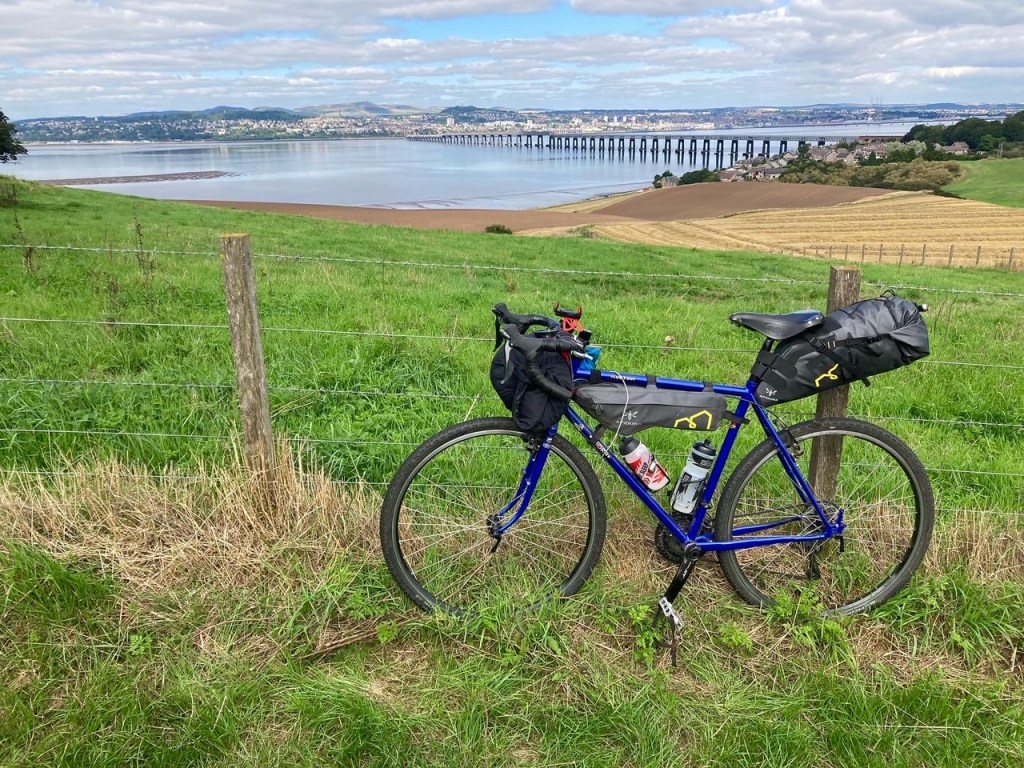
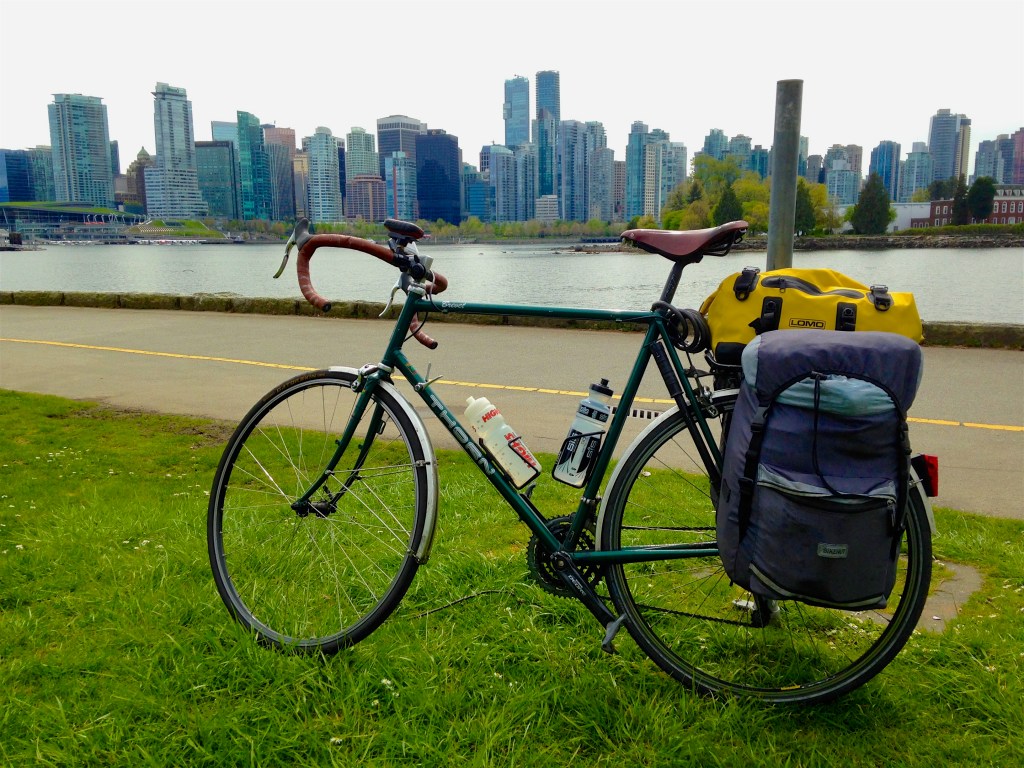
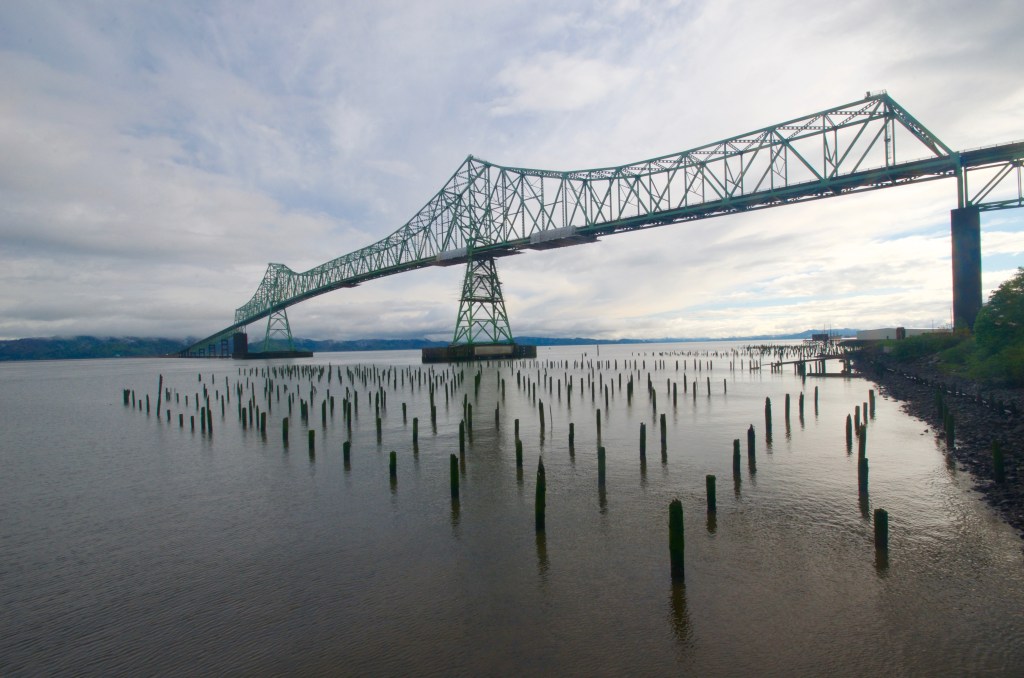
Last summer was largely spent working on bikes rather than cycling them, and I finally bought a new bike to replace my battle-scarred Thorn Brevet, the bike that has scaled the Atlas mountains and the Vietnamese highlands, while also rolling past the stunning Oregon coastline along the way. What is the new bike? Well, it’s another Thorn, a Club Tour, a heavier duty tourer with stronger wheels and wider tyres for exploring off the beaten track, perfect for its debut outing along the Fife Coastal Path last September.
So, when I started dreaming about where to travel next, my thoughts turned to the gravel trails of New Zealand and the dirt roads of the Carretera Austral in Chile, but, alas, I have a new job, and not enough holidays to spare, so I started to think of somewhere similar, but closer to home. An active volcanic landscape, sparsely populated, and only a two hour flight. That’ll be Iceland.
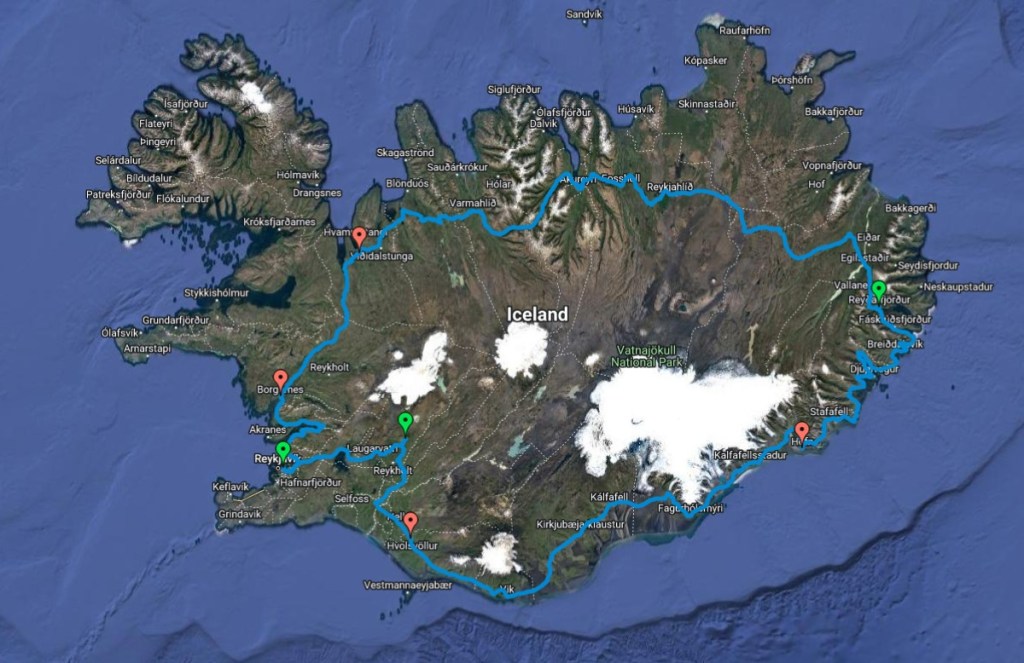
For those who have followed my previous tours, you’ll have spotted that I do like a good, old-fashioned, point to point route, they tend to look good on maps, and offer the greatest rate of change of landscape and culture. But, my second favourite is definitely a loop, and the fact that Iceland has a Ring Road that circumnavigates the whole country is almost as good! When I started to plan the trip I found statistics that suggested that the Ring Road still featured gravel stretches, and that as much as 30% of it could still be gravel. However, more recently I’ve found a more up to date source that shows that it has now been tarmacked all the way round, and now that I know that, it does make a difference to my choice of bike. And, with me being reluctant to take my new bike on a plane as of yet, the old one is being pressed into service once more.
What, then, is the plan? Well, I’ve booked my flights to Reykjavik, and I’ll stay in Reykjavik Campsite on the first night; storing my bike box there for when I return. Then, I’ll set off around the Golden Circle to Geyser and Gullfoss before joining Route 1 – the Ring Road – on the south coast, and following it anti-clockwise around the country. All in all, a distance of around 852 miles and with 16 days to complete it, it’s lucky there’s a lot of daylight…
Oh, and I leave tomorrow, so I’d best get packing!
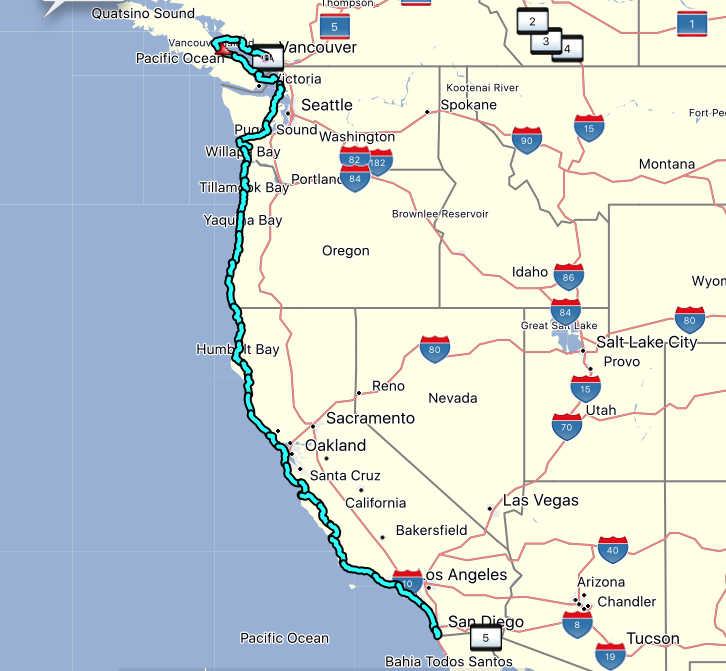
As I planned this trip, there were many occasions when I was concerned that I was attempting the impossible; indeed, for much of the route, I’d only hoped to get as far as Los Angeles, and I didn’t actually book my flight back from San Diego until I reached there. Before the Pacific Coast, my longest previous cycle tour had been 400 miles, and by the end of that I had been ready to go home. Physically I had still felt strong, but the mental strain of cycling solo through the Moroccan Atlas, sleeping amongst wild dogs and patronising shops in which sellers tried to sell me unwanted trinkets, had worn me down. I knew that if I was to enjoy the experience of testing myself on a longer route, I would need to travel somewhere that felt more culturally familiar. The fact that the US Pacific Coast Highway regularly featured in the top 3 on lists of the world’s best cycle tours helped to narrow my scope considerably.
Having decided on the US Pacific Coast Highway, I wanted to be sure that it would be possible with my given timeframe before I took any drastic steps – such as booking flights. The process seemed endless as I probed the internet for campsite opening dates to determine whether the trip would be plausible at all. As I worked through the campsites, results seemed to suggest that most of the campsites would be available, in fact, most of them were probably available throughout the year. As I spoke to US-based cyclists on the road, they seemed amused to find that I’d been worried about the accessibility of campsites – they clearly hadn’t arrived at a campsite in France at quarter to 7 in the evening, only to find that the reception was closing and security gates fastened into place. As the journey unfolded, I realised that much of my planning had been unnecessary, I was in the land of the RV and the road trip, on one of the most popular routes in the country. This was a route well served by amenities.
Many of the campsites I stayed in on the route were those recommended in the Bicycling the Pacific Coast route guide, and most of the rest I found in the official American Cycling Association maps of the route. I used them interchangeably at times, and was pleased to discover that – until quite far South in California – most of the campsites were excellent for my requirements, whether I’d seen them recommended or not.
It was much the same with restaurants, I’d spent weeks before I left researching potential food stops in guidebooks and jotting them down in a small notebook. Of course, I barely glanced at the notebook during my trip and, checking back afterwards, I realised that I hadn’t been to any of the places I’d planned out beforehand. When restaurant-hunting a quick glance at Trip Advisor had usually been my first port of call, and the next step was to assess individual restaurants, largely based on whether there was somewhere suitable to leave my bike.
During the 5 and a half week journey, I was on the limit in terms of keeping my bike on the road, punctures were a constant issue, especially when the weather worsened, and there were times during the ride where I was getting by with as few as two gears running smoothly, one for the hills, and one for the flat. I could coast the downhills. I went through brake pads quickly in the wet weather, and not being able to set up gears properly meant I snapped more gear cables than I should. Despite all this, I kept the bike rolling along.
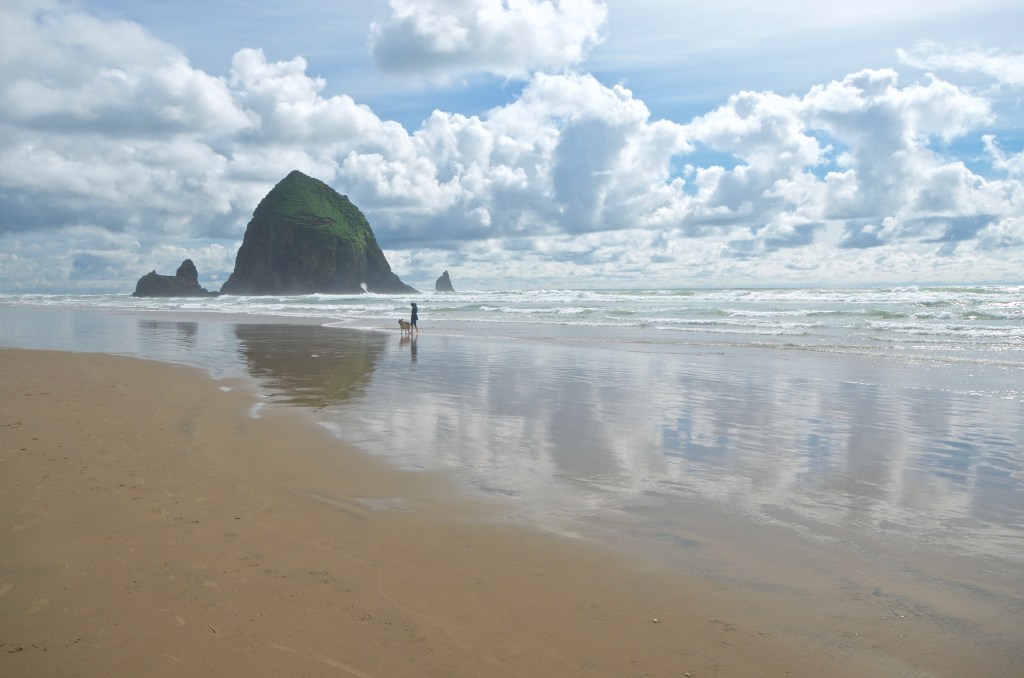
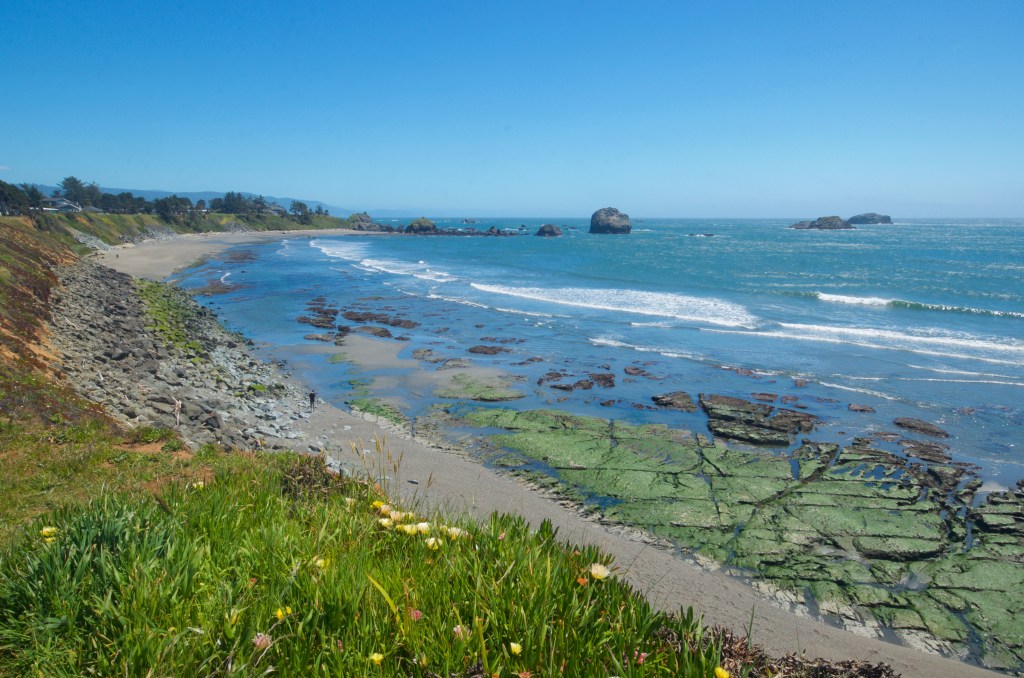
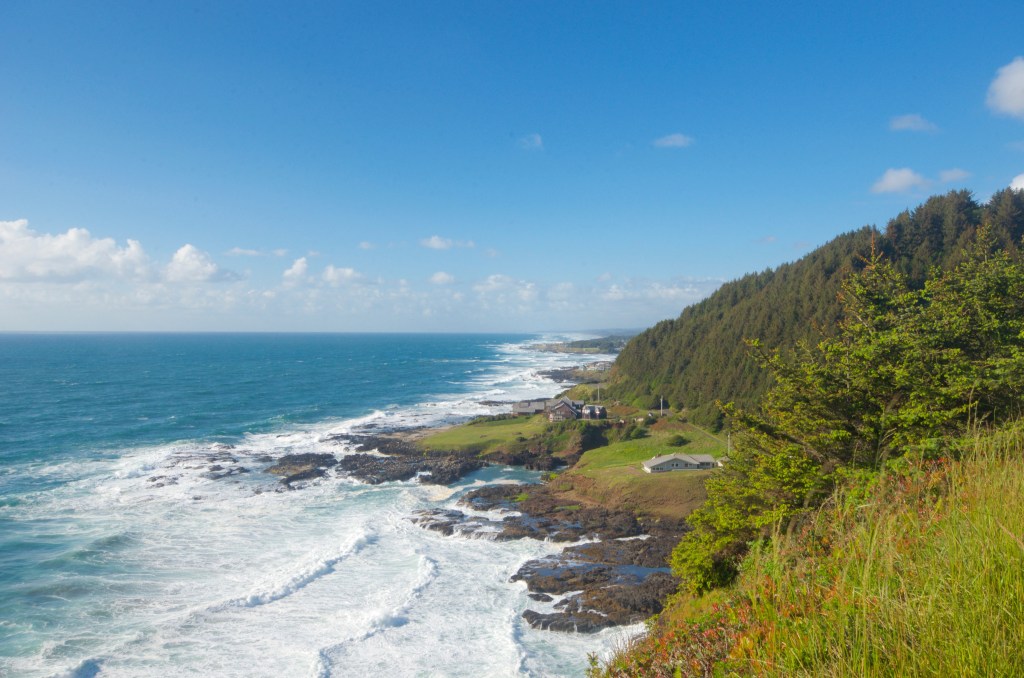
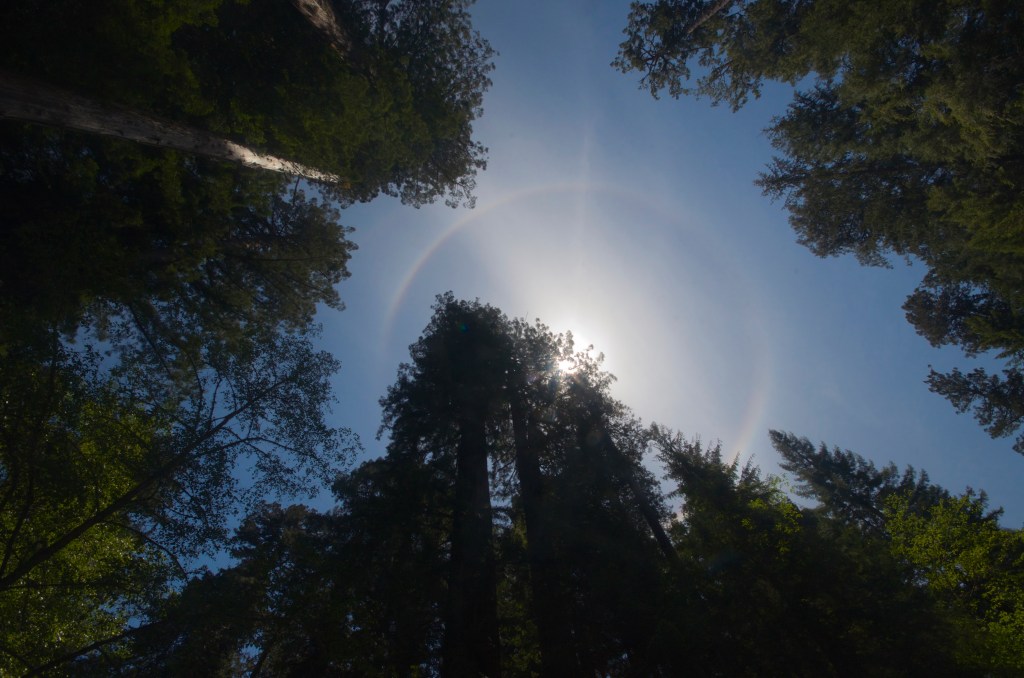
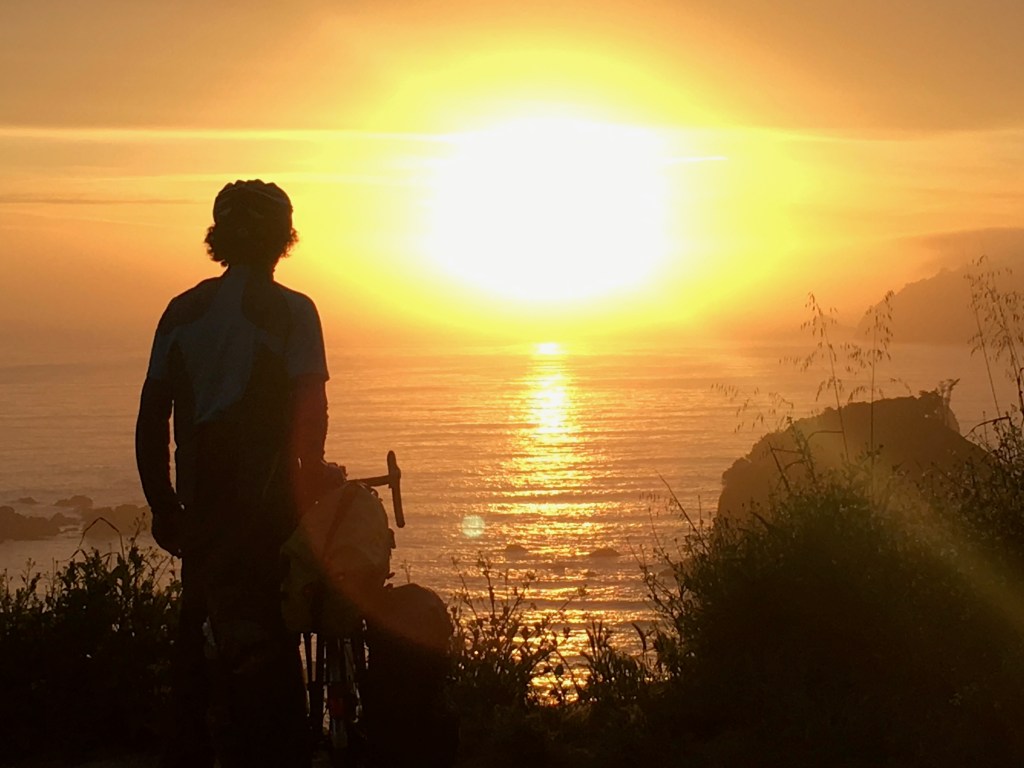
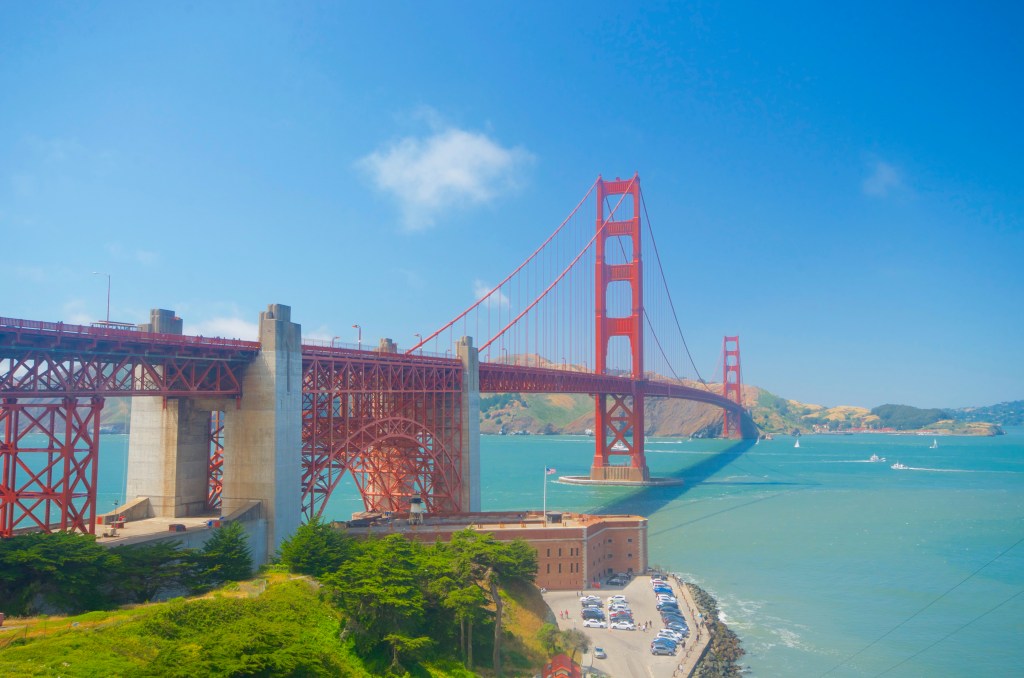
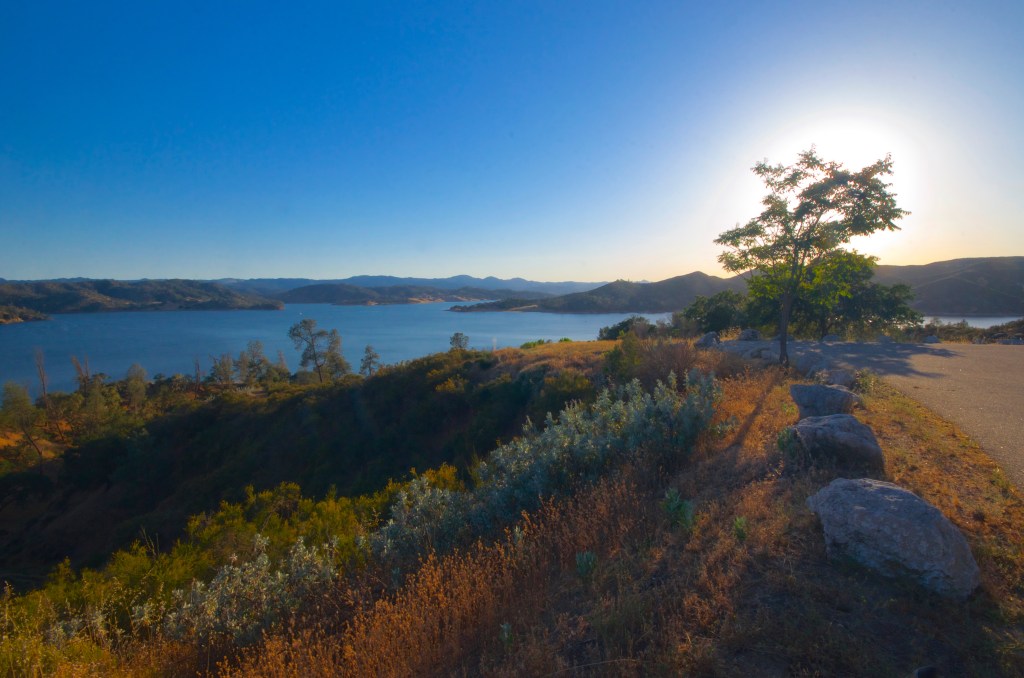
Throughout the trip, the ever-changing spectacle of nature left me awestruck on countless occasions. Vancouver Island, Puget Sound, the Olympic Mountains, Deception Pass, Cannon Beach, Nehalem Bay, Boiler Bay, Cape Perpetua, Oregon Dunes, Pebble Beach, Elk Prairie Redwoods, The Avenue of the Giants, Pacific Grove, Monterey Wine Country, Lake Nacimiento, Point Mugu, La Jolla and Coronado were just a few of the natural wonders I witnessed.
When I think of all that I experienced along the way, I’m reminded of Gilles, the Canadian, who I’d met in the campsite near Santa Cruz, and who was cycling the Pacific Coast for the second time, 25 years after the first. I asked him how he was finding it after so long. ‘Oh, The same!’ was his response. Life had moved on, but the Pacific Coast Highway remained the same, a wonderful adventure waiting to happen.










 PedalTheGlobeBlog